
Somewhere in the last few months, “2016” quietly became one of the most powerful words on the internet. Searches for “2016 songs” are up roughly 290%, “2016 makeup” jumped about 600%, and the hashtag #2016 surged more than 450% earlier this year. None of that is really about 2016. It’s about how exhausted people are with 2026’s feeds.
The Trend, Explained
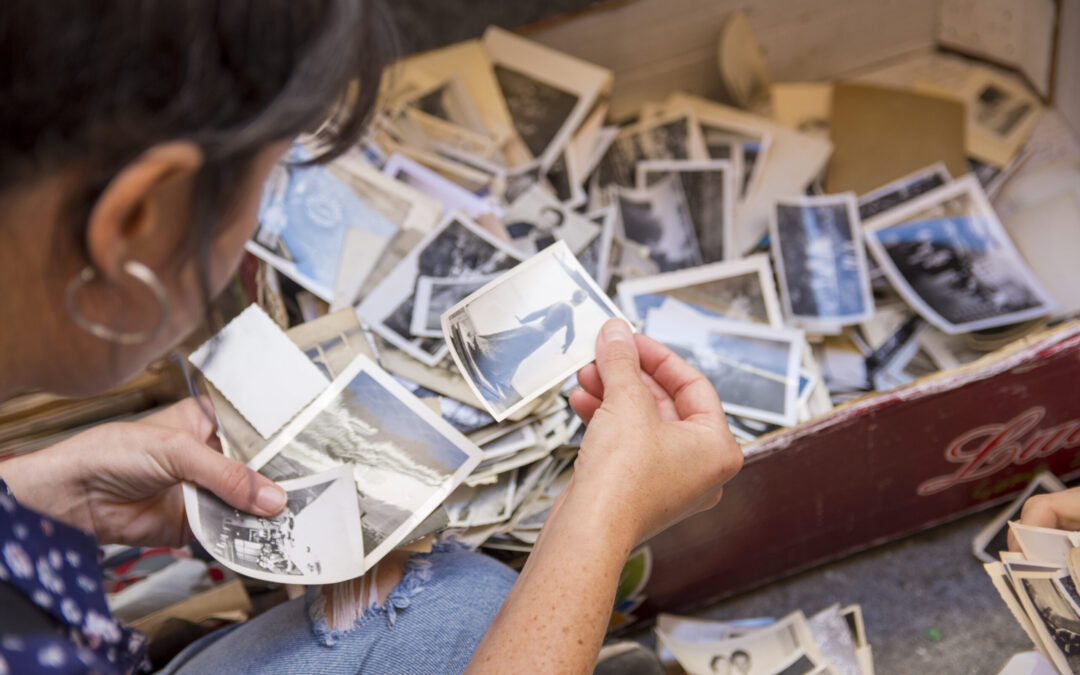
The clearest version of it is the “Me at the Same Age as My Parents” format — people pulling up an old photo of a parent at their current age, set against Pitbull’s “Hey Baby (Drop It to the Floor),” and either laughing at the wardrobe or getting unexpectedly emotional about how different their lives look. It’s spawned a whole family of related formats: side-by-side glow-up transitions set to a dubstep remix of Lady Gaga’s “Paparazzi,” sped-up Katy Perry needle-drops for prom-season throwbacks, and a general aesthetic drift toward early-2010s filters, fonts, and camera flash photography.
If you want to actually participate instead of just watching, a lot of this trend leans on real photos, not filters — pulling out an instant film camera or a small portable photo printer to make new pictures look and feel like they came from a decade-old phone camera is part of the appeal for a lot of creators chasing this look intentionally.
What’s Actually Driving It
Gen Alpha — the generation that’s now old enough to be a meaningful chunk of TikTok’s user base — never lived through 2016 as their present. For them, this is aesthetic archaeology, the same way millennials once got nostalgic for the ’90s despite having only fuzzy memories of it. For millennials and older Gen Z actually revisiting their own 2016, the appeal is different and a little more pointed: 2016 was before AI-generated content saturated every feed, before every third post was a brand doing a “relatable” bit, before the algorithm optimized quite so hard for outrage and hyper-produced perfection.
Researchers and culture writers keep landing on the same read: this isn’t really nostalgia for a specific year. It’s a craving for a lower-stakes, less-curated internet — even though, notably, people are curating that “uncurated” feeling on purpose, with real effort, for an audience. There’s a self-aware irony to a highly produced video about how much better unproduced content used to be, and most people posting these know it.
It’s Part of a Bigger Pattern
This connects to something we’ve written about before: audiences increasingly favor single-take, lightly-produced content over polished brand posts, because it reads as more human. The 2016 wave is the aesthetic expression of that same instinct, just wrapped in specific songs and specific photo filters instead of general “authenticity.” Both point at the same underlying fatigue — people can feel when content is optimized at them, and they’re pushing back by reaching for anything that looks like it wasn’t.
There’s also a practical, slightly funny side effect: a genuine mini-boom in people digging out old point-and-shoot cameras and even disposable film cameras specifically because the photos come out looking authentically dated without any editing required. Some things are easier to fake than others — and it turns out actual old technology is often just faster than trying to replicate its look in an app.
The Brands Trying to Catch the Wave
Predictably, marketing teams have noticed. A handful of camera and audio brands have leaned into the trend with retro-styled product drops timed to ride the aesthetic — reissued point-and-shoot designs, throwback packaging, playlist tie-ins. Some of it lands as a genuine nod to what people actually want right now; a lot of it reads as exactly the kind of manufactured authenticity the trend exists to push back against, which is its own small irony worth watching play out over the next few months.
Should You Care?
If you’re not on TikTok chasing trends, this might read as a curiosity and nothing more. But it’s a useful data point about where digital culture is heading broadly: the pendulum is swinging back toward lower production value and higher perceived sincerity, at least for now, and that has implications for anyone trying to communicate online — whether that’s a small business’s Instagram, a creator’s content strategy, or just how you personally choose to post. Polish is losing ground to specificity and imperfection.
The Bottom Line
The 2016 nostalgia wave isn’t really about 2016 — it’s a mirror held up to how manufactured 2026’s feeds have started to feel. Whether it’s a genuine cultural correction or just this month’s aesthetic, it’s worth watching what audiences reach for next when they’re tired of it. Check back with us as the next wave inevitably rolls in.