
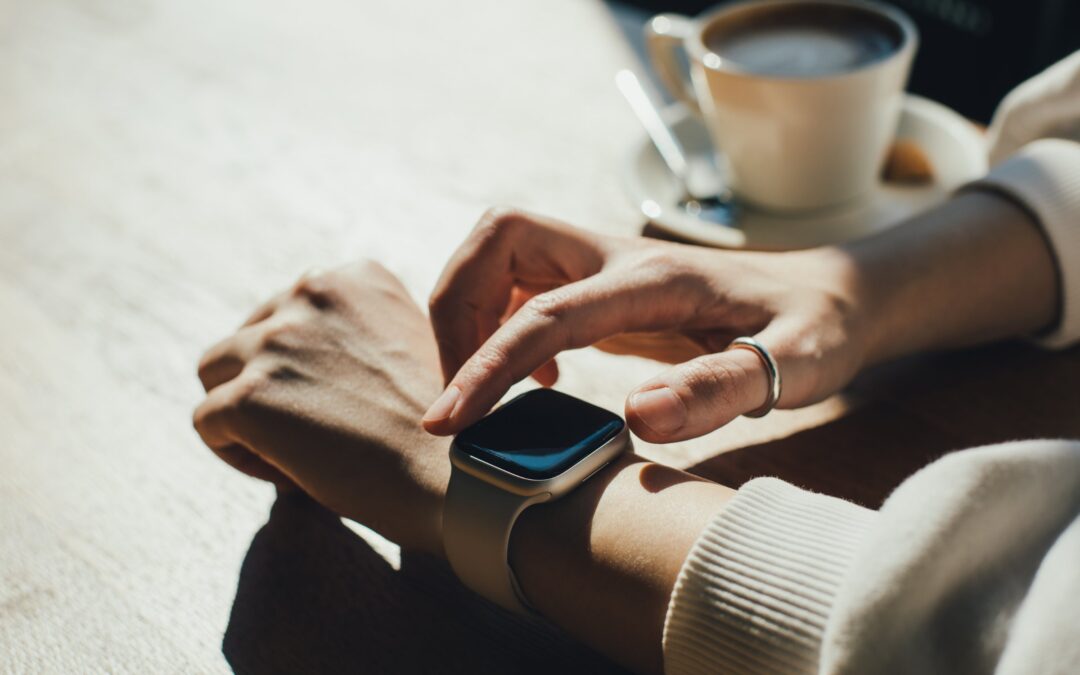
Health wearables have quietly moved past step-counting into something closer to actual early-warning systems, and the newest wave — blood pressure-tracking rings, illness-detection algorithms, recovery scoring — is worth a real look if you’ve written off wearables as glorified pedometers.
What’s Genuinely New
The Oura Ring 5 continues to lead the smart ring category, and the newest models are pushing further into passive health monitoring — tracking overnight patterns closely enough to flag when something’s off before you’d notice it yourself. It’s not a medical device and won’t diagnose anything, but the trend-spotting is genuinely useful for catching things like poor sleep recovery or early signs you’re getting sick before symptoms hit.
Illness-detection wearables work on a similar principle: rather than a single reading, they’re watching resting heart rate, temperature variation, and respiratory rate together, looking for the pattern that usually shows up a day or two before you feel sick. That lead time is the actual value — it’s not about replacing a doctor, it’s about giving you a heads-up to rest before you’re actually down for the count.
The Screen-Free Counter-Trend
Not everyone wants another glowing display strapped to their wrist, and there’s a real parallel trend toward simpler, screen-free health trackers — devices that quietly log data to an app without becoming another source of notifications and doomscrolling. If you find smartwatches make you more anxious about your health metrics rather than less, a ring-style or clip-style tracker without a screen is worth considering over a full smartwatch.
What to Actually Look For
Battery life matters more than most people budget for — a ring you have to charge every night defeats the purpose of continuous overnight tracking. Look for multi-day battery life at minimum. Also check whether the app actually surfaces trends in plain language versus dumping raw charts on you; the whole value proposition collapses if you need a data science degree to understand what it’s telling you.
If you’re specifically chasing fitness metrics rather than passive health monitoring, a dedicated fitness-focused smartwatch still edges out rings on workout-specific tracking like GPS routes and real-time heart rate zones during exercise.
Comfort matters more than people expect going in. A ring that’s slightly too tight or a watch band that irritates your skin overnight is a device you’ll stop wearing within a month, no matter how good the sensors are. Most brands now offer sizing kits before you commit to a purchase — use them rather than guessing based on a standard ring size, since smart rings tend to run differently than jewelry.
Who Actually Benefits Most
These devices deliver the most value to people with an existing reason to watch trends closely — athletes managing training load, people managing a chronic condition alongside their doctor’s guidance, or anyone whose sleep has been genuinely inconsistent and wants real data instead of a guess. If you’re generally healthy and just curious, the data is still interesting, but temper expectations about how much it will actually change day to day.
The Honest Caveat
These devices are good at spotting patterns and bad at diagnosis. A wearable flagging “elevated readings” is a prompt to pay attention and maybe call a doctor, not a diagnosis in itself, and blood pressure readings from a ring are not a replacement for a proper cuff if you have an actual cardiovascular concern. Treat the data as a nudge, not a verdict.
It’s also worth being honest with yourself about whether you’re the kind of person who acts on the data or just anxiously checks it. If a low readiness score tends to spiral into worry rather than an actual behavior change — going to bed earlier, skipping a hard workout — the wearable is adding stress rather than removing it, and that’s worth weighing against the early-warning upside.
Getting the Most Out of the Data
The trend view matters more than any single day’s reading. A rough night of sleep or one elevated stress score means very little in isolation; a week-over-week decline in recovery or a sustained shift in resting heart rate is the actual signal worth acting on. Most apps bury a proper trend view a tap or two deeper than the daily summary — it’s worth the extra tap, since that’s where the genuinely useful information lives.
The Bottom Line
The category has genuinely improved past the novelty phase, and the early-warning angle is the real reason to consider one this year. Pick based on how you’ll actually use it — screen-free and passive, or workout-focused and detailed — rather than whichever one is trending this week. Check back for more picks as the fall wearable releases start rolling in.