
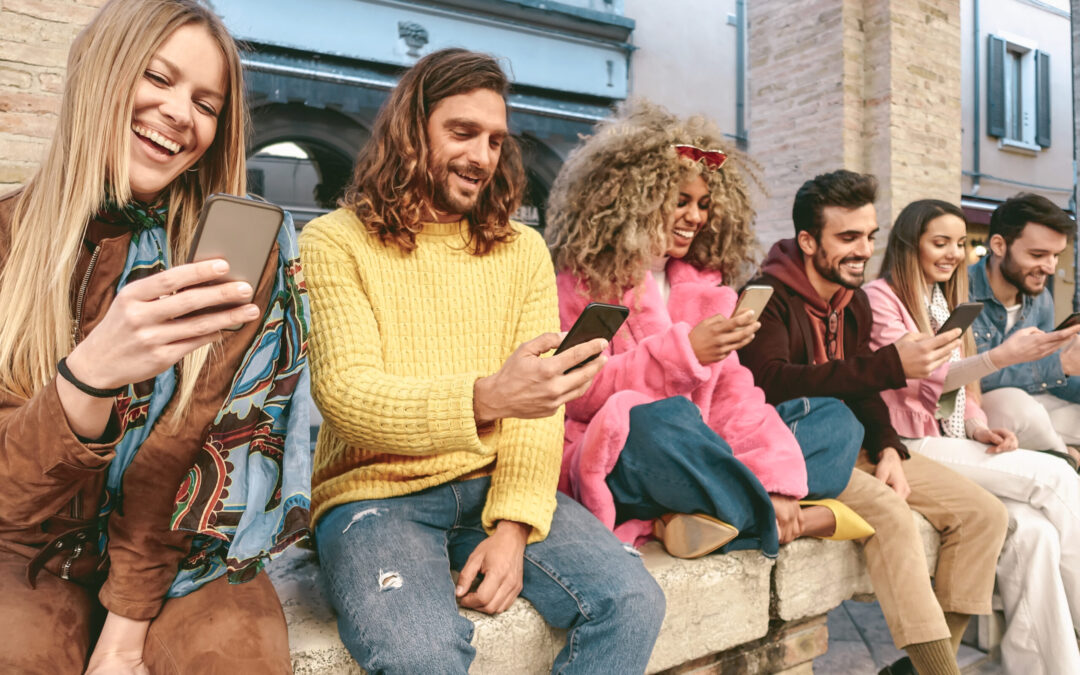
The line between “digital” and “real” has blurred entirely. We no longer talk about going “online”—we’re always connected. And that fundamental shift has changed not just how we communicate, but how we actually live.
Digital culture isn’t a niche anymore. It’s the dominant culture. Understanding it isn’t optional for anyone who wants to navigate modern life effectively. Whether you realize it or not, digital culture is shaping your career, your relationships, your identity, and your daily decisions.
What We Mean By Digital Culture
Digital culture encompasses the values, behaviors, norms, and trends that emerge from our connected, technology-mediated existence. It includes:
- How we communicate: From Instagram Stories to Slack, Discord, and TikTok, the platforms we use shape the language we use and the way we present ourselves.
- What we value: Authenticity, personal branding, side hustles, digital nomadism, and passive income have become cultural ideals rather than outlier concepts.
- How we work: Remote work, freelancing, creator economies, and digital entrepreneurship aren’t futures anymore—they’re present realities affecting billions of people.
- How we think: We process information faster, we multitask constantly, and we’re increasingly influenced by algorithms we don’t fully understand.
Why Lifestyle Matters
Lifestyle is the physical, tangible manifestation of our values and choices. Your lifestyle is how you spend your time, what tools and products you use, where you live, and how you design your days.
The critical insight is this: digital culture is increasingly inseparable from lifestyle design.
Consider these examples:
- A software engineer choosing remote work isn’t just making a career decision—they’re choosing a lifestyle that might involve traveling, spending more time with family, or building a location-independent business.
- A creator building an audience on social media isn’t just accumulating followers—they’re designing a lifestyle where their expertise, personality, and content become their income.
- Someone adopting a digital minimalism approach isn’t just using their phone less—they’re making a lifestyle statement about what they value.
- An entrepreneur building in Web3 isn’t just betting on technology—they’re participating in a cultural movement with different assumptions about trust, ownership, and value.
The Tools Shape the Culture
There’s a fascinating feedback loop: the tools we use shape our culture, and our culture shapes which tools we adopt.
When Instagram launched, it promoted a visual, curated aesthetic. That changed how people presented themselves online and in person. Fashion, beauty, and travel industries were transformed by this single platform’s visual focus.
When Discord emerged, it created communities organized by shared interest rather than geography. This enabled new forms of collaboration, from gaming to education to distributed companies.
When Twitter exploded, it accelerated the pace of discourse and made hot takes more valuable than nuanced thinking. For better or worse, it shaped contemporary political culture.
And now, as AI tools become mainstream, we’re seeing another cultural shift—one focused on augmentation, efficiency, and the question of what’s authentically human work.
Understanding which tools are shaping culture—and how—gives you agency in choosing which ones you adopt and how you use them.
The Lifestyle Implications
This intersection has real consequences for how you live:
Career: The platforms you’re visible on, the personal brand you build, and the networks you cultivate directly impact your opportunities. Digital culture rewards those who understand it.
Relationships: The way you communicate online with close friends is fundamentally different from how previous generations did. Long-distance relationships, digital dating, and online communities have changed what’s possible.
Location: Remote work enabled by digital tools means geography is no longer destiny. You can live anywhere with internet. But that freedom comes with its own cultural norms and expectations.
Identity: You’re no longer just one version of yourself. You’re a collection of different presentations across different platforms, each with different audiences and expectations. This multiplicity is a feature of digital culture, not a bug.
Time: Digital culture moves faster. Trends emerge and die in weeks. Attention is the currency. How you spend your time has real cultural weight.
Why This Matters Right Now
We’re at an inflection point. Artificial intelligence, blockchain, creator economies, and remote-first everything are not speculative futures—they’re reshaping culture right now.
The people thriving in this environment are those who:
1. Understand the platforms where culture is forming and where their audience is. 2. Build intentionally, rather than reactively, about their digital presence and personal brand. 3. Stay informed about emerging technologies and cultural shifts without getting caught up in hype. 4. Design their lifestyle consciously, rather than defaulting to whatever everyone else is doing.
The Digitally Casual Approach
This is why we created Digitally Casual. We believe you shouldn’t have to choose between staying current and staying sane. You shouldn’t have to be a full-time trend tracker to understand the digital culture shaping your world.
We’re here to provide perspective, not overwhelm. To highlight what actually matters, not what’s just getting attention. To help you understand digital culture deeply enough that you can make intentional choices about how you engage with it.
Whether you’re building a personal brand, launching a digital business, navigating remote work, or just trying to understand why everyone’s talking about the latest platform, we’re here to help you see through the noise.
Digital culture and lifestyle aren’t separate anymore. They’re one interconnected system. And understanding that system is the competitive advantage of the next decade.
—
*What aspects of digital culture are reshaping your lifestyle? What tools and platforms matter most to you? Join the conversation and share your perspective.*