
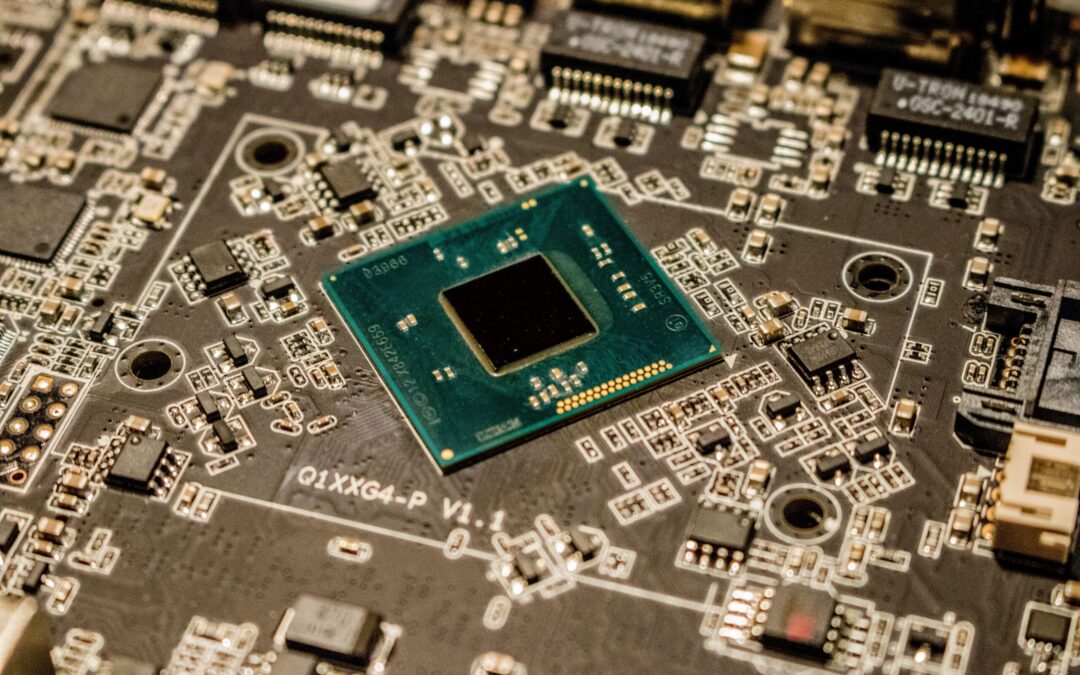
If you’ve been sitting on a laptop purchase waiting for something genuinely interesting to happen, this week might be your signal to pay attention. Nvidia and Microsoft just coordinated a cryptic “new era of PC” tease ahead of Computex 2026 in Taipei — and the open secret everyone’s talking about is the Nvidia N1X, the company’s first ARM-based laptop processor.
What the N1X Actually Is
Nvidia has spent decades making GPUs, but the N1X is something different: a full system-on-chip designed for Windows ARM laptops. Under the hood it packs 10 high-performance Cortex-X925 cores alongside 10 efficiency Cortex-A725 cores — the same ARM big.LITTLE architecture Apple made mainstream with the M-series chips. Critically, it includes Nvidia’s own integrated GPU, which is expected to blow past Qualcomm’s Adreno graphics in the Snapdragon X Elite on gaming and creative tasks.
Lenovo has already leaked a Yoga Pro 7 variant built around the N1X — a 15.3-inch OLED machine with a 165Hz refresh rate, up to 64GB RAM, and a 1TB NVMe SSD. It’s aimed squarely at professionals and creative users who need the thin-and-light form factor without sacrificing GPU performance. Expect Dell to follow with its own hardware at or shortly after the announcement.
Why This Is a Bigger Deal Than It Sounds
ARM Windows laptops have been a long time coming. Apple’s M-series showed the industry what was possible with ARM silicon — incredible battery life, fanless designs, and performance that punches well above power draw. Windows tried to follow with Qualcomm’s Snapdragon chips, but software compatibility issues and underwhelming GPU performance kept ARM Windows from reaching critical mass.
Nvidia changes that equation for two reasons. First, their GPU architecture is battle-tested — developers already optimize for CUDA and GeForce. Second, Microsoft has spent the last two years quietly pushing ISVs to ship ARM-native Windows apps, and the ecosystem is finally catching up. An Nvidia-powered ARM Windows laptop in mid-2026 is a very different proposition than a Snapdragon X laptop was in 2024.
Should You Wait or Buy Now?
The honest answer depends on what you need. If you’re running a professional workload that leans on GPU — video editing, 3D work, AI inference on-device — waiting a few months for N1X hardware to ship is probably worth it. You’ll get meaningfully better graphics performance with ARM efficiency gains.
If you just need a reliable productivity machine today and don’t want to be a first-gen adopter, the current crop of Intel Core Ultra and AMD Ryzen AI laptops are excellent and well-priced right now. The AMD Ryzen AI laptops in particular offer strong battery and solid performance at competitive prices, and the software compatibility story is rock-solid.
One more thing worth watching: Nvidia has a roadmap that includes N2 series chips for 2027. If the N1X launches and has teething issues (first-gen ARM Windows silicon always does), the N2 chips a year later will be the real mature product. That’s the Apple M1 vs. M2 dynamic playing out again.
What to Look for at Computex
Computex runs through early June, so expect a flood of N1X announcements this week. Watch for: confirmed pricing (Lenovo’s leaked models are reportedly priced at a premium), battery life benchmarks compared to Snapdragon X Elite, and crucially — whether Microsoft announces any OS-level features tuned for Nvidia silicon. The company has a history of co-announcing software features with hardware partners at these moments.
If you want to follow the announcements without drowning in press release noise, keep a smart notebook handy for jotting down the specs that actually matter to you. Sometimes the old ways are the best ways to cut through the hype.
The Bottom Line
Nvidia entering the laptop CPU space is genuinely significant — it’s the first real competition for Apple silicon’s “GPU in a thin laptop” crown on Windows. Whether the N1X delivers on its promise will depend on real-world benchmarks and software compatibility reports that’ll start emerging over the next few weeks. We’ll be covering those here as they land. Check back.