
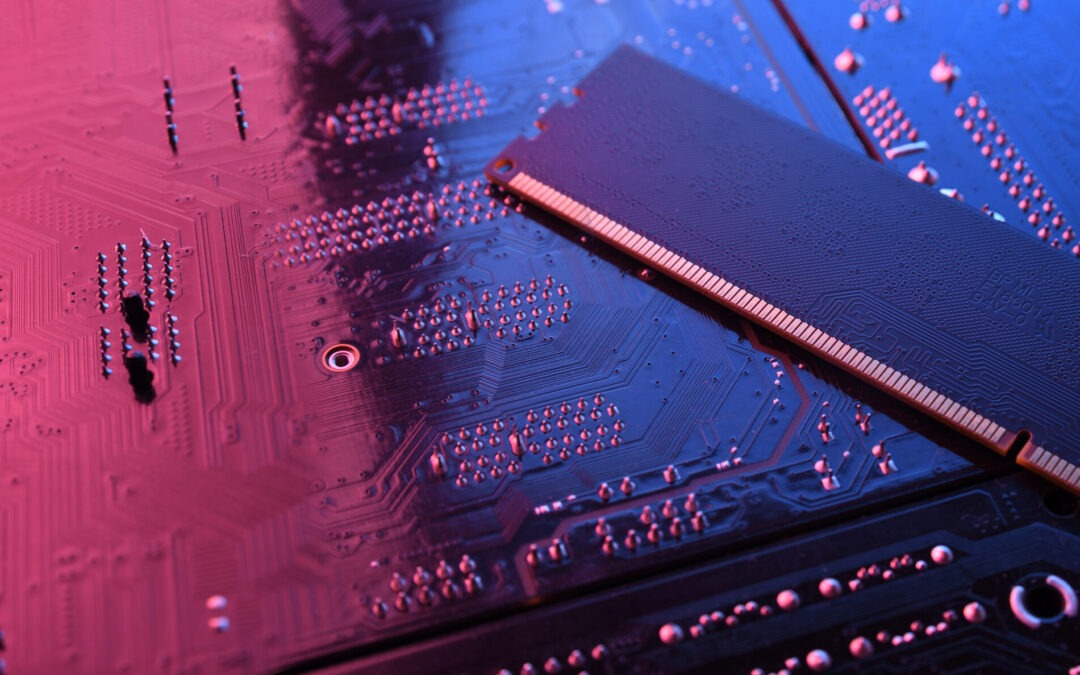
You probably haven’t thought about DRAM pricing since you built a PC in college. You might want to start. ChangXin Memory Technologies, China’s leading DRAM producer, just raised roughly $8.6 billion in the largest Asian IPO of 2026 — and it’s plowing that money into expanding manufacturing capacity for the memory chips that go into everything from your phone to the data centers running AI models.
Why Memory, Specifically, Is the Bottleneck
AI infrastructure spending has been eating chip capacity for two years now, but most of the headlines go to GPUs — the Nvidia chips doing the actual model training. Memory chips are the quieter casualty. Every AI server needs enormous amounts of high-bandwidth memory, and that demand is competing directly with the memory that goes into consumer laptops, phones, and game consoles. When AI companies can outbid consumer electronics makers for the same fabs, consumer prices move.
What This Means for Your Next Purchase
If you’ve been putting off a laptop or phone upgrade, the pricing trend favors buying sooner rather than later — memory and storage costs are a real chunk of a device’s bill of materials, and they’ve been ticking upward through 2026. That doesn’t mean panic-buy anything, but if you’re already shopping, don’t assume prices will be friendlier in six months. A memory upgrade kit for an existing laptop is also worth pricing out now if your machine supports it — it’s often cheaper than replacing the whole device, and that gap may not stay this favorable.
The Bigger Supply Chain Picture
ChangXin’s IPO is part of a broader story: China building out domestic chip capacity partly in response to export restrictions on advanced Western chips. Combined with reports of Chinese labs accessing restricted Nvidia hardware through gray-market channels, the overall picture is a global chip supply chain that’s fragmenting into regional blocs rather than one unified market. That fragmentation tends to raise costs across the board, even for products that have nothing to do with AI directly, because it reduces the economies of scale that kept memory chips cheap for the last decade.
Should You Actually Worry?
Not urgently. This isn’t a 2021-style GPU shortage where you couldn’t find a graphics card at retail price for a year. It’s a slower, structural shift — prices drifting up gradually as capacity gets reallocated toward AI infrastructure. But “gradually” still adds up, and it’s the kind of trend that’s easy to miss until you’re staring at a laptop that costs $200 more than the same model did last year.
How This Compares to Past Chip Shortages
If you remember the 2021 GPU shortage, this feels different in an important way: that shortage was sudden and visible, driven by a spike in crypto mining demand that collapsed almost as fast as it appeared. This one is structural and gradual, driven by a permanent shift in how much of global chip capacity gets reserved for AI infrastructure before consumer electronics even get a bid in. Structural shifts don’t correct themselves the way demand spikes do — they tend to just become the new normal, which is exactly why ChangXin and its competitors are betting billions on expanding capacity rather than waiting for things to cool off.
What to Actually Track
You don’t need to follow semiconductor earnings calls to stay ahead of this. Keep an eye on the price of any device you’re actually considering buying over the next month or two, and treat a stable or dropping price as the exception rather than the rule right now. If you’re building or upgrading a desktop yourself, buying RAM and storage in one batch rather than piecemeal over several months is a reasonable hedge against the trend continuing. It won’t insulate you completely, but it removes some of the guesswork.
The Bottom Line
Memory chip economics aren’t exciting, but they quietly set the price of nearly everything electronic you own. If a big purchase is on your radar for this year, the trend line argues for sooner rather than later, and it’s a good reason to stop waiting for a better deal next quarter that may not actually materialize. We’ll keep an eye on how this plays out — bookmark the site and check back.