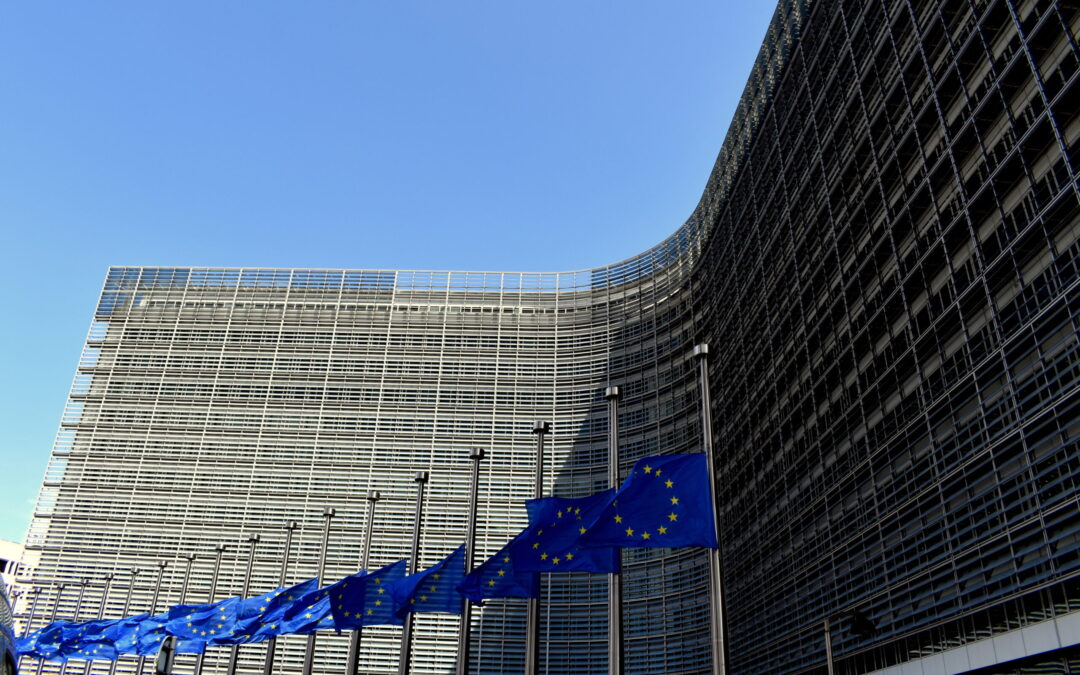
The European Union just handed Apple its biggest App Store defeat yet, and even if you’ve never heard of the Digital Markets Act, it’s about to change what your iPhone can do. The EU General Court upheld the classification of iOS and the App Store as “gatekeeper” services this month, which sounds like bureaucratic wallpaper until you realize it means Apple has to keep opening the doors it spent seventeen years keeping shut.
What Just Happened
Apple appealed the EU’s gatekeeper designation, arguing that iOS and the App Store shouldn’t be regulated the same way as, say, a monopoly utility. The court disagreed. That designation is what forces Apple to allow alternative app stores, sideloading, and third-party payment systems on iPhones sold in Europe â rules Apple has been slow-walking and, in some cases, actively undermining with new fees and friction since they first took effect.
This isn’t a one-time fine. It’s confirmation that the entire legal foundation Apple was hoping to knock down is staying put. Every future DMA enforcement action against Apple just got a lot easier for regulators to win, and it removes the “this might get overturned on appeal” excuse Apple’s lawyers had been leaning on internally when deciding how aggressively to comply.
Apple’s response so far has been to comply in the narrowest way the law allows. When it opened up alternative app stores in the EU last year, it also introduced a new “Core Technology Fee” that developers have to pay per install once they cross a certain download threshold â a move the European Commission is separately investigating as a possible attempt to make the alternative route financially unappealing even though it’s technically legal. This ruling doesn’t resolve that fight, but it does strip away one of the arguments Apple was using to stall it.
Why This Isn’t Just Europe’s Problem
Companies don’t usually build two versions of a product line if they can help it. When the EU forced universal USB-C charging in 2024, it didn’t stay a European quirk â it became the global standard almost overnight, which is why a solid USB-C fast charger now works across your phone, tablet, and laptop regardless of where you bought them.
The same gravity applies here. If Apple has to support alternative app stores and payment systems in Europe anyway, maintaining a totally separate, more locked-down version of iOS for the rest of the world gets expensive and awkward. Regulators in the UK, Japan, and South Korea have already floated similar rules, and each one makes it a little more likely that sideloading and alternative payments quietly become a global default rather than an EU-only carve-out.
What Changes On Your iPhone (Eventually)
If you’re in the US, nothing changes today. But the direction is clear: more app stores competing for your attention, developers able to bypass Apple’s 30% cut on payments, and eventually the option to install apps Apple would never approve. That’s exciting for competition and pricing, but it also means the App Store’s review process â annoying as it is â has functioned as a security backstop for a lot of casual users.
If sideloading does eventually land more broadly, it’s worth tightening up the basics now rather than later. A hardware security key like a YubiKey for your Apple ID and financial accounts is a cheap insurance policy against the phishing and fake-app schemes that tend to follow whenever a platform opens up.
It’s also worth remembering that “open” doesn’t automatically mean “worse.” Android has allowed sideloading for well over a decade and most Android users never touch it â the option existing doesn’t force anyone to use it. What it does is give developers leverage: Spotify, Epic Games, and a long list of smaller studios have spent years arguing that Apple’s 30% cut and app review gatekeeping made certain business models impossible. An open App Store means more of those companies can finally test whether they were right.
The Bigger Picture: A Pattern, Not a One-Off
Zoom out and this ruling fits a pattern that’s been building all year â chip export reviews, antitrust scrutiny of AI infrastructure deals, and now app store gatekeeping, all pointing toward the same theme: the biggest tech platforms are being told, repeatedly, that “because we built it” isn’t a complete answer to “why do you control it.” Apple isn’t alone here, but it’s the company with the most to lose from an open App Store, since services revenue has become one of its fastest-growing business lines.
Don’t expect Apple to roll over. Expect more of what’s already happened in Europe: technically compliant, practically frustrating implementations â new fees, extra warning screens, and friction designed to make the “open” option feel like the wrong choice even when it’s cheaper.
The Bottom Line
Nothing changes on your phone this week. But the legal argument that was Apple’s best shot at keeping the App Store closed just lost, and that has a way of showing up in your settings menu eventually, whether you’re in Berlin or Boise. Worth bookmarking this one â we’ll keep tracking how (and if) this actually reaches US iPhones.