
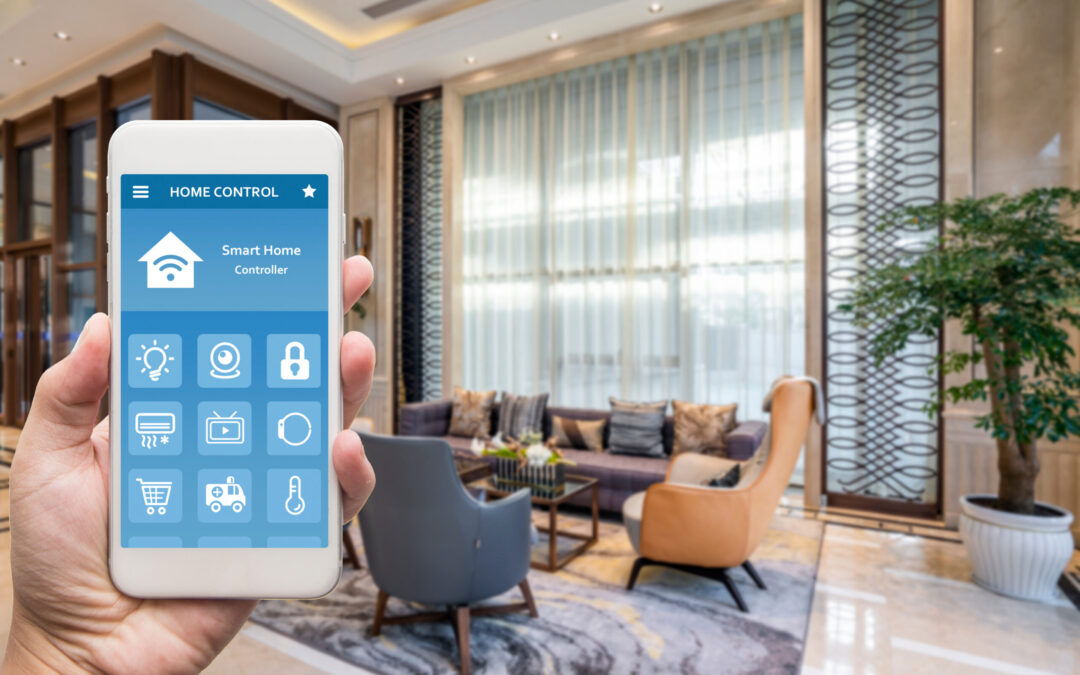
The smart home space is full of gadgets promising to transform your daily routine. Most of them are fine. A handful are genuinely great. And a few are a complete waste of money and counter space. Here’s a practical breakdown of what’s actually worth it in 2026.
The Ones Worth Buying
Smart Plugs — The Easiest Win
If you start anywhere, start here. Smart plugs let you control any regular appliance — a lamp, a fan, a coffee maker — via your phone or voice. They’re inexpensive, require zero installation, and immediately make your home feel meaningfully smarter. TP-Link Kasa smart plugs are reliable, work with Alexa and Google, and cost around $8–$12 per plug. Buy a 4-pack and deploy them everywhere.
Smart Speakers — The Hub That Does More Than You’d Expect
An Amazon Echo Dot or Google Nest Mini seems trivial until you’ve been using one for a month. Timers while cooking, music on demand, quick weather checks, controlling other smart devices with your voice — it quietly becomes something you’d miss. The Echo Dot is under $50 and the use case is wide enough to justify almost any home.
Smart Light Bulbs — Worthwhile If You Start Smart
The Philips Hue starter kit is expensive per bulb but it’s the most reliable smart lighting system out there. If that’s too steep, LIFX bulbs work without a hub and are good competition. The key insight: smart bulbs are only useful if you actually control them via schedule or voice. If you’re still flipping the physical wall switch, you’re just paying extra for regular bulbs.
Video Doorbell — Genuine Utility
A video doorbell gives you a real-time view of who’s at your door from your phone, plus motion alerts and recorded history. The Ring Video Doorbell is the most widely used and integrates seamlessly with Echo devices. The Nest Doorbell is excellent if you’re in the Google ecosystem. This one has clear practical value — package theft is real, and being able to answer your door remotely when you’re not home is genuinely useful.
The Ones to Skip (Or Approach Carefully)
Smart Appliances
A smart refrigerator with a touchscreen sounds impressive until you realize you’re paying $3,000 for the ability to see your grocery list on your fridge door instead of your phone. Smart washers and dryers that send you a notification when laundry is done are mildly convenient but add complexity (and potential failure points) to appliances you rely on every day. Skip unless you have a specific use case that justifies the cost.
Smart Security Systems with Ongoing Subscriptions
Many smart security systems require a monthly subscription to actually access recorded footage. Read the fine print before buying — some are transparent about this, many aren’t. If you want local storage and no subscription, look at systems that save to an SD card or local NAS.
The Golden Rule of Smart Home
Buy smart home devices that solve a specific, real problem in your life. Don’t buy them because they sound cool. The best smart home setups are ones where you forget the tech is there — things just work the way you want without you having to manage them. Start with smart plugs and one speaker, see what you actually use, then expand from there.