
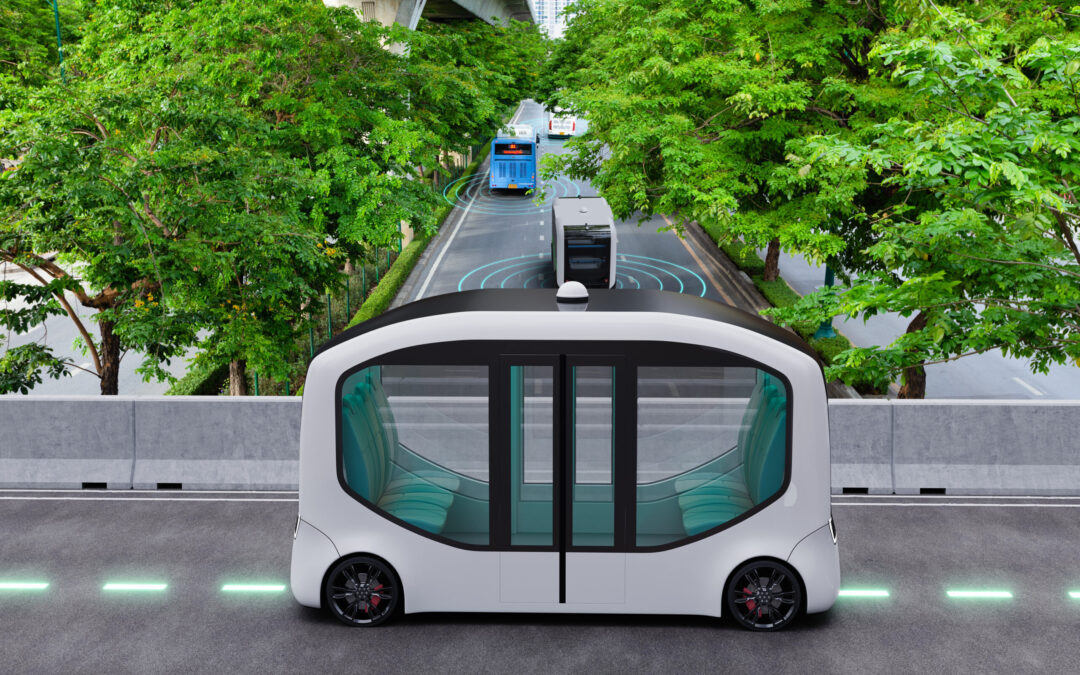
Zagreb, of all places, is where Europe’s first commercial robotaxi service quietly launched this year. Now Uber and China’s Pony.ai are scaling it up fast — expanding their partnership to deploy more than 2,000 driverless vehicles across five European cities, with plans to push into the Middle East after that. If you’ve only ever seen robotaxis as a Phoenix or San Francisco phenomenon, that’s about to change.
The Deal, Briefly
Verne, a local fleet owner and operator, runs the vehicles on the ground in Zagreb, with Pony.ai supplying the autonomous driving technology and Uber handling the app layer people actually book rides through. The expanded partnership adds four more European cities to the mix — Uber and Pony.ai haven’t named them yet or committed to a firm timeline, which is standard operating procedure for autonomous vehicle rollouts that tend to slip. Still, the direction is clear: this isn’t a pilot anymore, it’s a real fleet with real expansion capital behind it.
It’s worth noting Pony.ai is a Chinese autonomous driving company, and its cars have already been running commercial robotaxi service in several Chinese cities for a couple of years. Europe is the proving ground for whether that technology holds up under EU regulatory scrutiny, which is considerably tighter than what these companies have dealt with elsewhere.
Why Uber Wants This
Uber’s driver network is its single biggest cost center, and robotaxis are the long-term hedge against that — cheaper per mile once the fleet scales, no driver payouts, and a service that theoretically runs 24/7 without labor constraints. Waymo has already proven the model works at meaningful scale in the US. Uber partnering with Pony.ai instead of building its own autonomous stack is the same playbook Uber has used for years: let someone else solve the hard technical problem, own the marketplace and the customer relationship. It’s a low-risk way for Uber to be present in the robotaxi conversation without betting the company on in-house self-driving tech, which is exactly the bet that sank some of its earlier autonomous vehicle ambitions.
Would You Actually Ride One?
This is the more interesting question than the corporate mechanics. Robotaxi adoption in the US has been a slow build — Waymo has strong loyalty in the cities where it operates, but plenty of people still opt for a human driver out of habit or discomfort. European consumers tend to be more skeptical of surveillance-adjacent tech generally, and a car with no driver and presumably a lot of cameras is squarely in that category. Early Zagreb riders have reported the experience is smoother than expected — precise, predictable, occasionally over-cautious at intersections in a way that feels almost polite compared to a rideshare driver in a hurry.
If you do end up in one, a few small things make the ride better. A dashboard phone mount is handy since there’s no one to hand navigation questions to, and noise-cancelling earbuds turn an autonomous ride into genuinely useful quiet time — no small talk to manage, no radio station to negotiate.
How This Compares to the US Rollout
Waymo’s expansion in the US took years of city-by-city regulatory negotiation, plenty of local pushback, and a handful of high-profile incidents that set the timeline back further than the company wanted. Europe’s regulatory environment is arguably even more cautious by default, which is part of why Uber and Pony.ai are being deliberately vague about which cities come next — announcing a city before securing the actual approval tends to invite exactly the kind of public scrutiny that slows the process down. Expect the real rollout to look less like a single big launch and more like a string of quiet, staggered announcements over the next 18 months.
The Regulatory Wildcard
The EU’s approach to autonomous vehicle approval is fragmented across member states, and that’s the real bottleneck here, not the technology. A robotaxi cleared to operate in Croatia isn’t automatically cleared for Germany or France, each of which has its own type-approval process and, in some cases, its own political resistance from taxi unions that have successfully slowed ride-hailing expansion before. Expect the “four more cities” rollout to happen unevenly and probably slower than the press release implies — that’s been the pattern with every autonomous vehicle expansion announcement of the last five years.
The Bottom Line
Robotaxis are no longer a Silicon Valley curiosity — they’re becoming genuine transit infrastructure, and Europe just became the next real-world test case. Whether you’re excited or unsettled by the idea of a driverless car picking you up, this is worth watching closely over the next year, because wherever it lands in Europe usually isn’t far behind for everywhere else. We’ll keep tracking which cities get named next.