
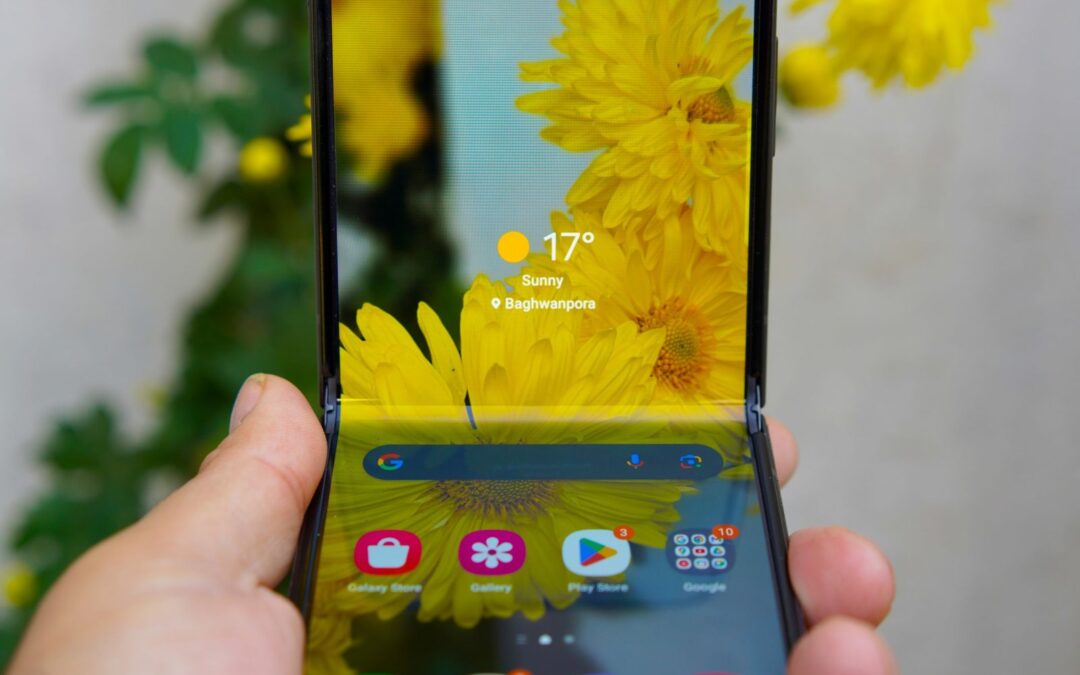
Samsung’s foldables used to feel like a science experiment you paid a premium to beta-test. The Galaxy Z Fold 8 and its Ultra sibling, which hit shelves this month, are the first ones that feel like they were actually finished before launch. That doesn’t mean everyone should buy one — but it does mean the conversation has changed, and it’s worth understanding why before you write the whole category off as a gimmick.
What’s Actually New Here
The headline change is the “Wide” body: Samsung widened the outer cover screen so it behaves like a normal phone instead of a cramped candy bar you tolerate until you unfold it. Under the hood you get a new processor, a noticeably better battery, and Samsung’s thinnest hinge yet on the Ultra model. Android 17 and One UI 9 ship out of the box, and Samsung is backing the phone with seven years of software updates, which is a real number worth paying attention to, not a marketing footnote — most Android phones are lucky to get four.
If you’ve used a Fold before, the difference is immediately obvious the moment you pull one out of your pocket. If you haven’t, it’s easier to think of it as “a phone that also unfolds into a small tablet” rather than “a tablet that folds down into a phone.” That distinction matters for how you’ll actually use it day to day: you’re not carrying a tablet with a phone bolted on, you’re carrying a phone that occasionally becomes something bigger and better for reading, editing, or multitasking.
The Wide Screen Debate
Not everyone is thrilled about the wider cover display. Some longtime Fold owners liked the narrower outer screen because it made the phone easier to hold one-handed and cheaper to repair — a wider glass panel is more surface area to crack. Samsung’s bet is that most buyers care more about a natural typing experience and full-size app layouts than about matching last year’s proportions, and honestly, the math backs them up: the old narrow cover screen was the single most-complained-about feature in every past-generation review roundup. Early impressions from reviewers lean positive, but it’s the kind of change you should try in person before committing — a quick trip to a carrier store beats trusting anyone’s video review, including ours. Bring your actual thumbs and see if one-handed typing still feels natural at the new width.
Price and Real-World Use
At $1,900 for the base 256GB Z Fold 8, this is not an impulse purchase. That price buys you a genuinely useful second screen for reading, spreadsheets, and split-screen multitasking, which is where the Fold line has always earned its keep for people who actually use it for work rather than just show it off. It is a worse buy if your main use case is photography or gaming, where a flat flagship in the $1,000–$1,300 range will outperform it for less money and won’t ask you to compromise on camera hardware to fit around a hinge.
A few accessories make a real difference if you do take the plunge. A dedicated foldable screen protector is close to mandatory — the inner display is more delicate than a standard glass panel, and scratches from grit trapped in a pocket are the most common complaint in owner forums, usually showing up within the first month of ownership. A slim case with a built-in kickstand also earns its keep, since the whole appeal of the bigger screen is watching or reading hands-free on a desk, plane tray table, or kitchen counter.
Who Should (and Shouldn’t) Buy It
Buy it if you’re someone who already lives in split-screen mode on a tablet, reads a lot on your phone, or wants one device that replaces both a phone and a small tablet in your bag — that’s a real weight and cost savings if you’re currently carrying both. Skip it if battery life anxiety already stresses you out (foldables still trail flat phones here, even with this year’s improvements, since there’s simply less room inside for cell capacity), if you drop your phone often, or if $1,900 would meaningfully change your month. A fast wireless charging pad for your nightstand is a smart add either way, since foldables benefit more than most phones from topping off overnight rather than running down to empty and stressing the battery with fast top-ups during the day.
The Bottom Line
The Z Fold 8 is the first Samsung foldable that feels like a finished product rather than a proof of concept, and the wider cover screen alone might be worth the upgrade if you’re coming from a Z Fold 5 or earlier. It’s still a luxury purchase for a specific kind of user, not a phone we’d recommend to someone shopping on price. If you’re on the fence, go hold one before you decide — this is a phone where a five-minute in-store test tells you more than any spec sheet. Check back later this month — we’ll have more August gadget coverage as the rest of the fall lineup starts leaking.