
Something has flipped in the last few months of social media, and it’s not a new app or a new algorithm tweak. It’s a taste shift: audiences are getting visibly tired of polish. The perfectly lit product shot, the templated caption, the overly smooth AI-generated visual — all of it is starting to read as slightly suspicious rather than aspirational. And the content winning attention instead looks almost deliberately unfinished.
Low-Production Is Reading as More Honest
Instagram’s own trend data this year points at low-production formats and interactive, less-polished carousels performing better than the glossy stuff that used to dominate. Part of this is fatigue: after a couple of years of an increasing share of feeds being AI-generated or AI-assisted, people have gotten sharper at spotting it, and spotting it kills trust fast. A slightly shaky video shot on a phone, with visible bad lighting and an unscripted voiceover, now often reads as more credible than a studio-quality version of the same content, purely because it’s harder to fake.
This isn’t really new behavior, either — it’s the same instinct that made “authentic” influencer content outperform traditional ads a decade ago, just applied one level deeper now that AI can convincingly fake the previous bar of “authentic.”
The Meme Formats Prove the Point
Look at what’s actually spreading right now. The “Wait, Let Me Wipe the Camera” transition is popular specifically because it’s a deliberately imperfect, human moment used as a reveal device — the opposite of a clean cut. The Food Jutsu hand-sign format, crossing over from anime culture, works because it’s silly and a little chaotic, not because it’s expensively produced. Even something as goofy as this summer’s hot-dog-everything moment (hot dog nails, hot dog cakes, a Jennifer Coolidge audio clip as the unofficial mascot) is popular because it’s absurd and cheap to participate in, not because a brand spent money making it look premium.
Meanwhile, glitch-edit trends set to distorted music drops are intentionally breaking the smoothness of a video rather than hiding it. The throughline across all of these: friction and imperfection are now features, not bugs, in what gets shared.
What This Means If You Make Any Content at All
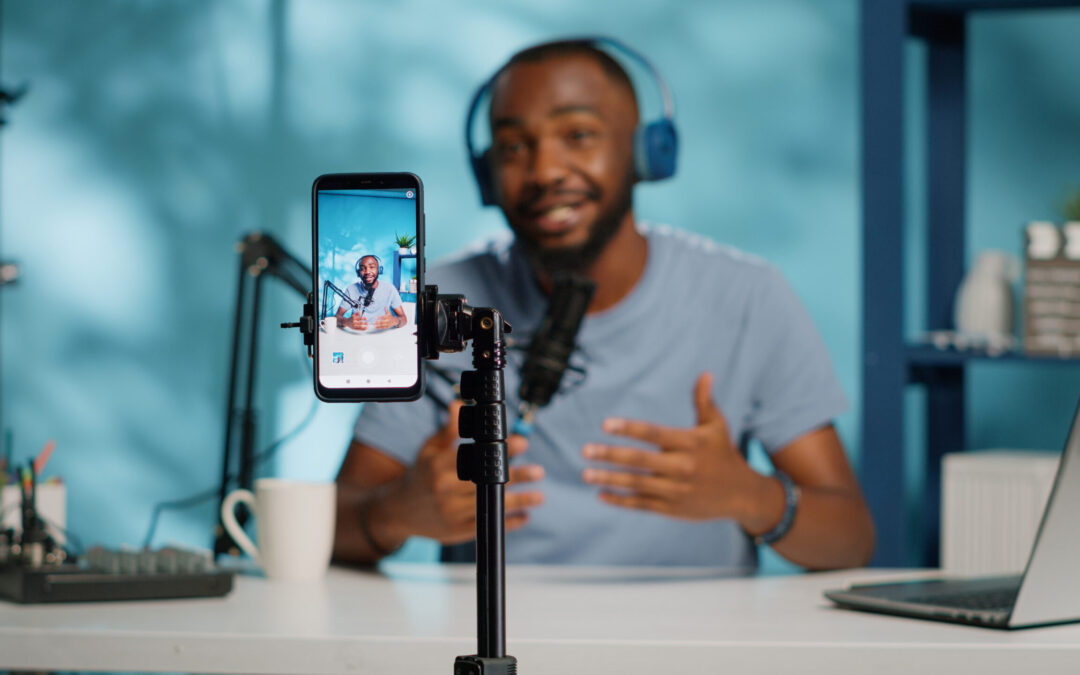
You don’t have to be a creator with a big following for this to be useful. If you’re posting for a small business, a side project, or even just your own social presence, the practical takeaway is that over-investing in production value right now might actively work against you. A phone video with real commentary will often outperform a highly edited one, and that’s genuinely good news if you’ve been putting off posting because you don’t have “real” equipment.
If you do want to lean into this style intentionally, a decent phone tripod with a remote is really the only piece of gear worth owning — it lets you get a stable, hands-free shot without tipping into overproduced territory. Beyond that, resist the urge to buy a ring light and a lav mic for content that’s supposed to feel unscripted.
Where This Probably Goes Next
Trend cycles like this tend to swing back eventually — in a year or two, “raw” content will itself become a performed aesthetic, complete with people faking bad lighting on purpose (which, arguably, is already happening in some corners). But for right now, the signal is consistent across platforms: audiences are rewarding content that feels like it came from a person in real time, not a brand or an algorithm optimizing for polish. That’s a genuinely useful thing to know whether you’re a casual poster or trying to build something.
Brands Are Struggling to Fake This
The trickiest part of this shift for companies is that authenticity is genuinely hard to manufacture on purpose — the moment a brand’s marketing team decides to “do the raw, unpolished thing,” it usually reads as exactly that: a decision made in a meeting. Audiences have gotten good at spotting the difference between a creator who’s genuinely filming in real time and a brand account performing casualness with a strategy doc behind it. The brands doing this well right now tend to hand real control to an actual person rather than running everything through an approval chain, which is a harder organizational problem than a creative one.
This is also part of why World Cup season has been such a visible moment for this trend — fan-made content, chaotic stadium clips, and unscripted celebration videos are consistently outperforming official league and sponsor content this summer, because nobody can out-produce genuine chaos and real emotion in the moment.
The Bottom Line
The internet’s current mood is pretty simple to summarize: it trusts a shaky video with a real opinion more than a beautiful one with none. If you’ve been holding back from posting because your setup isn’t good enough, this is the moment where that stops being a real excuse. Stick around — we’re tracking where this authenticity wave goes next, especially once brands inevitably try to fake it.