
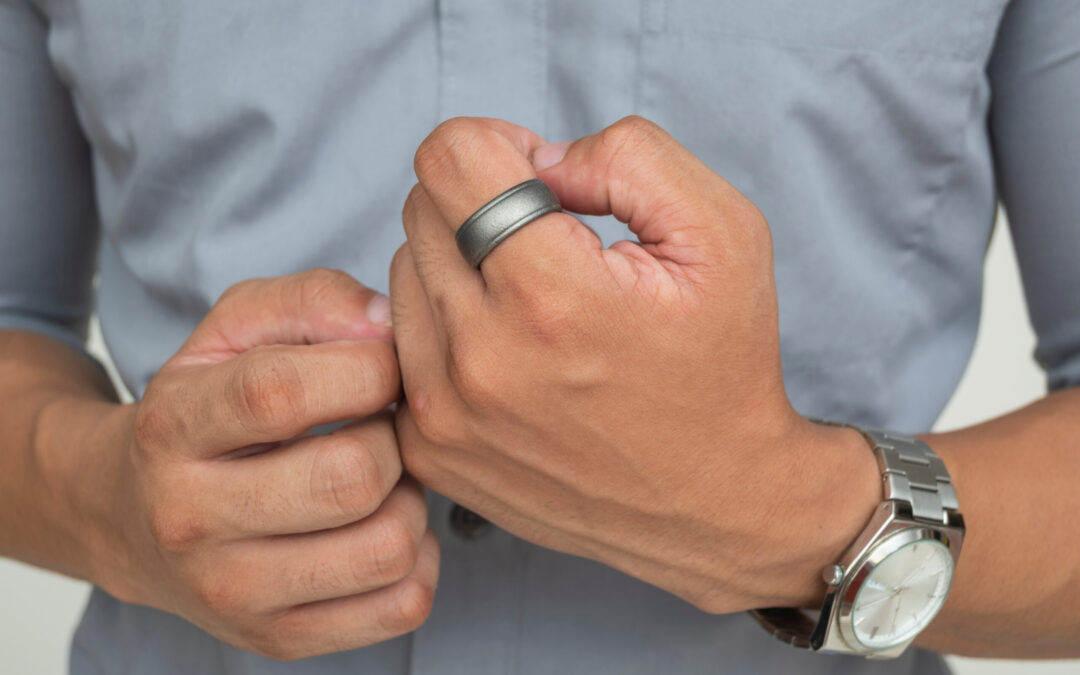
Scroll through any tech subreddit lately, or just glance down at the hands of people on your morning commute, and you’ll notice something: fewer chunky smartwatches, more plain, unassuming rings. Smart rings have gone from niche curiosity to the wearable a lot of people actually want to keep wearing — and 2026 is shaping up to be the year they got genuinely good, not just smaller.
What Changed This Year
The shift isn’t really about design — rings have looked basically the same for a few generations now. It’s about what’s inside them. Early smart rings were mostly glorified sleep trackers that told you how restless you’d been the night before. The current crop is doing a lot more: blood-pressure-tracking rings and high-fidelity sensor wearables are now packing serious biometric monitoring into something the size of a wedding band. That’s a meaningful leap. Blood pressure has historically required an inflatable cuff and a moment of stillness; getting that kind of data passively, throughout an ordinary day, changes what “keeping an eye on your health” looks like for people who’d never bother with a dedicated medical device.
What These Things Actually Track
Most current-generation rings cover the basics well: sleep stages, resting heart rate, heart rate variability, skin temperature trends, and daily activity load. The newer, more ambitious models add continuous blood-pressure estimates and stress scores that update through the day rather than only reporting back at bedtime. If you’ve ever strapped on a smartwatch to track your sleep and woken up annoyed by the charging routine and the bulk on your wrist, the pitch here is straightforward — you put it on once, forget about it, and the data just accumulates quietly in the background.
Picking One Without Falling Down a Spec-Sheet Hole
It’s easy to get lost comparing sensor counts and battery claims, so here’s the simplified version. The Oura Ring remains the most polished all-around option for sleep and recovery insight, mostly because its app explains what the numbers actually mean instead of dumping a wall of graphs on you. If blood pressure tracking is the priority — maybe you or someone in your household has a real reason to monitor it regularly — pairing ring data with a dedicated device like the Withings BPM Connect gives you a fuller, more medically useful picture than either device alone. And if your interest leans toward training load, recovery scores, and squeezing more out of your workouts, the Whoop band is still the option serious athletes default to, ring competitors included — it trades the subtlety of a ring for a deeper well of performance data. Expect to spend anywhere from $300 to $500 up front, plus the ongoing membership most brands now expect — factor that into the decision before you buy, not after.
The Trade-offs Nobody Puts in the Launch Video
Here’s what the glossy marketing tends to skip. Battery life on rings is shorter than on most watches — you’re looking at four to seven days depending on the model, versus a week or two for a lot of fitness watches. Sizing is a genuine hassle: most brands make you order a sizing kit, wear test rings for a few days, and then order the actual product, which adds a week or two before you’re even using the thing. And the subscription fees for “advanced” insights add up the same way every wearable subscription does — that $300 ring often comes with a recurring bill if you want the full feature set.
The other thing worth keeping in mind: these are health-adjacent gadgets, not medical devices, however good their marketing makes them sound. They’re genuinely useful for noticing patterns over weeks and months — your sleep getting worse during a stressful project, your resting heart rate creeping up after a few weeks of skipping workouts. They are not built for diagnosis. If a number looks alarming, that’s a reason to call an actual doctor, not to spiral over an app notification.
Who Should Actually Buy One
Not everyone needs to rush out and buy a ring this week. If you’re already happy with a smartwatch and actually use the features it offers, there’s no urgent reason to switch — you’d mostly be trading one set of trade-offs for another. Where rings genuinely shine is for people who’ve tried wearables before and quietly stopped wearing them because they were too bulky, too distracting, or just one more screen demanding attention. If that’s you, or if discreet, passive health tracking sounds more appealing than another notification-generating gadget on your wrist, this is the moment to give the category a real shot rather than dismissing it as a gimmick.
The Bottom Line
Smart rings have crossed the line from gimmick to genuinely useful, and this year’s wave of blood-pressure and stress-tracking models makes the category more interesting than it’s been in years. If you’ve bounced off smartwatches because they’re bulky, ugly, or just one more thing to charge every night, this is probably the wearable category worth actually trying in 2026. We’ll be keeping an eye on how the newest blood-pressure rings hold up once people have lived with them for a few months — bookmark this page and check back for the follow-up.